
В мае 2026 года МелБет предлагает бонусы, включая фрибет, промокоды и акции за регистрацию и другие действия.
junio 22, 2026วิธีเช็กผลสลากกินแบ่งรัฐบาลออนไลน์แบบรวดเร็ว
junio 22, 2026Understanding the psychological effects of gambling in a casino environment
Understanding the psychological effects of gambling in a casino environment
The Allure of the Casino Environment
The casino environment is designed to captivate and engage patrons through a blend of sensory stimuli. The combination of vivid lights, upbeat music, and enticing visuals creates an atmosphere that can be both exhilarating and disorienting. This carefully curated ambiance aims to draw players into a world of excitement, making it easy to lose track of time and money. As soon as individuals step into a casino, they are enveloped in an environment that enhances the thrill of potential winnings and encourages them to partake in more gambling. For those looking for a fantastic online gaming experience, https://cold-bet.games/ provides an array of options to explore.
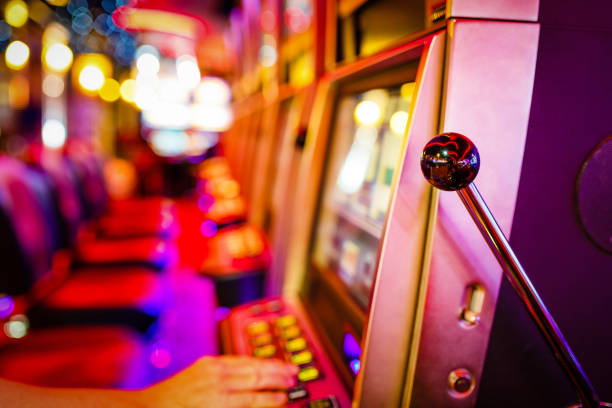
Moreover, the physical layout of casinos plays a crucial role in the gambling experience. Slot machines and gaming tables are often strategically placed to facilitate easy access and encourage social interaction among players. The lack of clocks and windows further contributes to a sense of timelessness, often leading patrons to stay longer than they originally intended. This manipulation of the physical space can significantly impact gambling behavior and increase the likelihood of impulsive betting.
Understanding the psychological effects of this environment is essential for recognizing why individuals may feel drawn to gamble despite potential negative consequences. The interplay between sensory stimulation and psychological manipulation can create a euphoric experience, making it difficult for players to resist the allure of the next game or spin. As such, it is vital to explore how these factors contribute to gambling behaviors.
The Role of Cognitive Biases
Cognitive biases are psychological tendencies that affect how individuals perceive and engage with gambling activities. One of the most common biases in the gambling context is the illusion of control, where players believe they can influence outcomes despite the inherent randomness of games. This belief often leads to increased gambling as individuals feel empowered and convinced that they can predict or manipulate results. Casinos exploit this bias by promoting games that enhance this illusion, such as poker and sports betting, where skill and strategy play a role.
Another cognitive bias prevalent in gambling is the availability heuristic, where individuals recall recent wins more readily than losses. Players often focus on their occasional successes, overlooking the more frequent losses that occur during their gaming sessions. This selective memory reinforces the desire to gamble again, as individuals believe they are on the verge of another win. Casinos may further amplify this effect through celebratory announcements and visual displays of winners, creating an environment that encourages continued play.
These cognitive biases contribute significantly to the psychological effects of gambling. By understanding how these tendencies work, individuals can better recognize the factors driving their gambling behavior. Awareness of these biases is crucial for both gamblers and those who may wish to intervene to prevent problematic gambling patterns.
The Emotional Rollercoaster of Gambling
The emotional journey of gambling often mirrors that of a rollercoaster ride, characterized by highs and lows that can be both thrilling and devastating. The excitement of winning can trigger feelings of euphoria, leading gamblers to chase that high by continuing to play. On the other hand, losing can evoke feelings of disappointment, frustration, and even despair. This emotional turbulence can create a cycle where players become increasingly invested in the game, seeking to recapture the exhilarating highs that winning brings.
This emotional aspect of gambling can also lead to riskier behavior. When individuals experience a losing streak, they may attempt to recover their losses by increasing their bets or playing for longer periods. This behavior, often referred to as «chasing losses,» can escalate financial troubles and lead to significant emotional distress. The pressure to win back money can overshadow rational decision-making, pushing gamblers deeper into a cycle of compulsive betting.
The emotional impacts of gambling extend beyond the individual to affect relationships and social dynamics. Friends and family members may become concerned about a loved one’s gambling habits, leading to conflicts and emotional turmoil within personal relationships. Understanding the emotional rollercoaster associated with gambling is essential for developing effective strategies to address and mitigate its effects on individuals and their families.
Addiction and Compulsive Gambling
Gambling addiction, or compulsive gambling, is a serious psychological disorder characterized by an uncontrollable urge to gamble despite the negative consequences that may ensue. This condition can lead to significant financial, emotional, and social repercussions for the individual and their loved ones. The psychological effects of gambling addiction often manifest as a preoccupation with gambling, withdrawal symptoms when not gambling, and the inability to stop despite repeated attempts.
The progression of gambling addiction can vary, but it typically begins with casual play and can escalate to compulsive gambling. As individuals continue to gamble, they may experience diminishing returns, leading them to wager larger amounts in search of the same thrill they once found. The casinos’ environment, with its constant reinforcement of wins and celebratory atmosphere, can exacerbate this cycle, making it challenging for individuals to recognize when their gambling has become problematic.
Addressing gambling addiction requires a comprehensive understanding of its psychological roots and the environmental triggers that sustain it. Treatment options may include therapy, support groups, and self-exclusion programs. Recognizing the signs of compulsive gambling is vital for individuals and their support systems to intervene early and seek the help needed to reclaim control over their lives.
Exploring Responsible Gambling
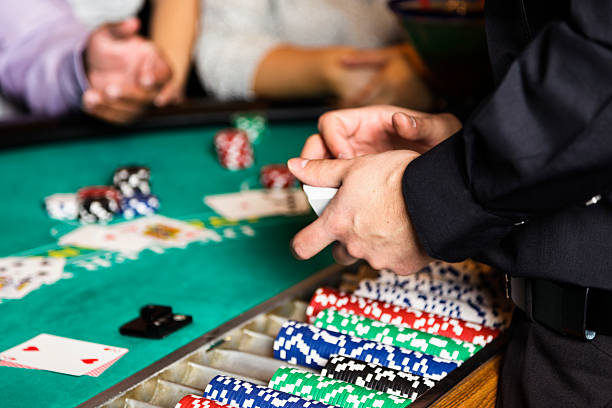
In light of the psychological effects discussed, the concept of responsible gambling has gained prominence. Responsible gambling refers to strategies and practices aimed at preventing gambling-related harm, ensuring that individuals can enjoy gambling without succumbing to its potential pitfalls. Casinos and gambling organizations are increasingly recognizing the need to promote responsible gambling initiatives, offering resources and support for players.
Many casinos implement responsible gambling programs that include self-exclusion options, educational materials on recognizing problem gambling, and access to counseling services. These initiatives aim to create a safer gambling environment and empower players to make informed decisions about their gaming habits. By fostering a culture of responsibility, casinos can contribute to the well-being of their patrons while still providing a thrilling entertainment experience.
Ultimately, understanding the psychological effects of gambling is crucial for both players and the gambling industry. Awareness and education can lead to healthier gambling behaviors, reducing the likelihood of addiction and its associated consequences. The ongoing dialogue surrounding responsible gambling continues to evolve, highlighting the importance of a balanced approach to this popular form of entertainment.
